What to look for when fire has touched your home
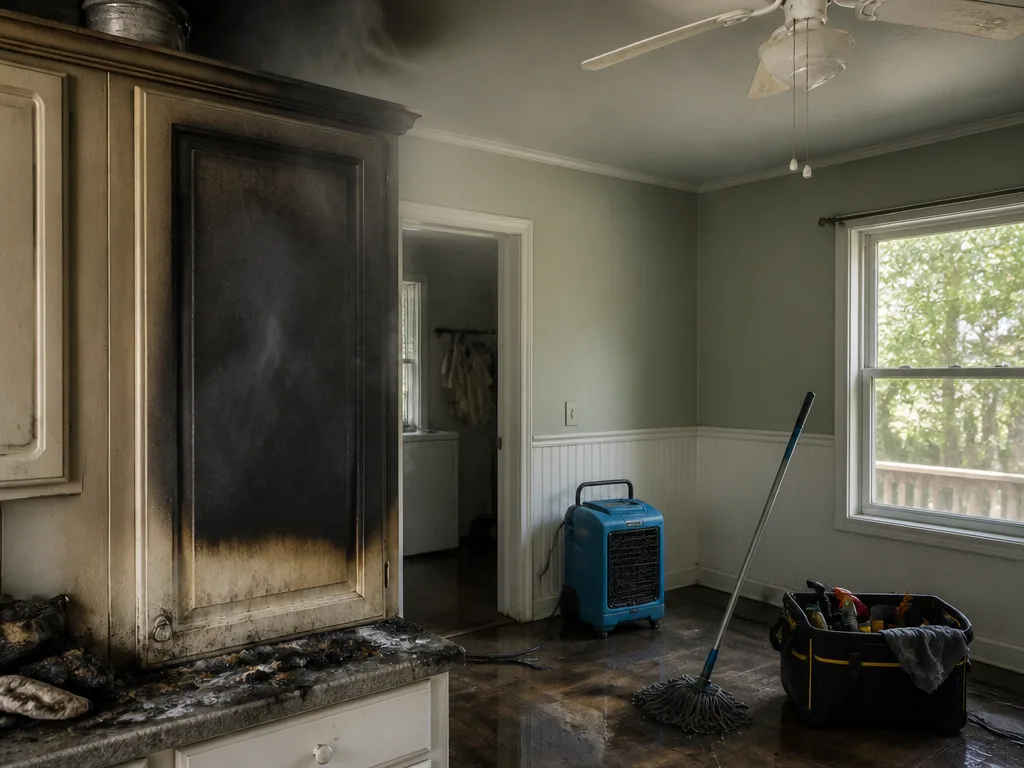
Fire leaves more than scorch marks. Smoke can permeate walls, ceilings, and porous materials, causing hidden damage that appears days or weeks after the event. In North Carolina, humid air can push smoke odors deeper into surfaces, which means early detection matters. Our fire & smoke damage specialists often see soot on top of cabinets, ash in vents, and a lingering smoky scent even after a cleanup attempt.
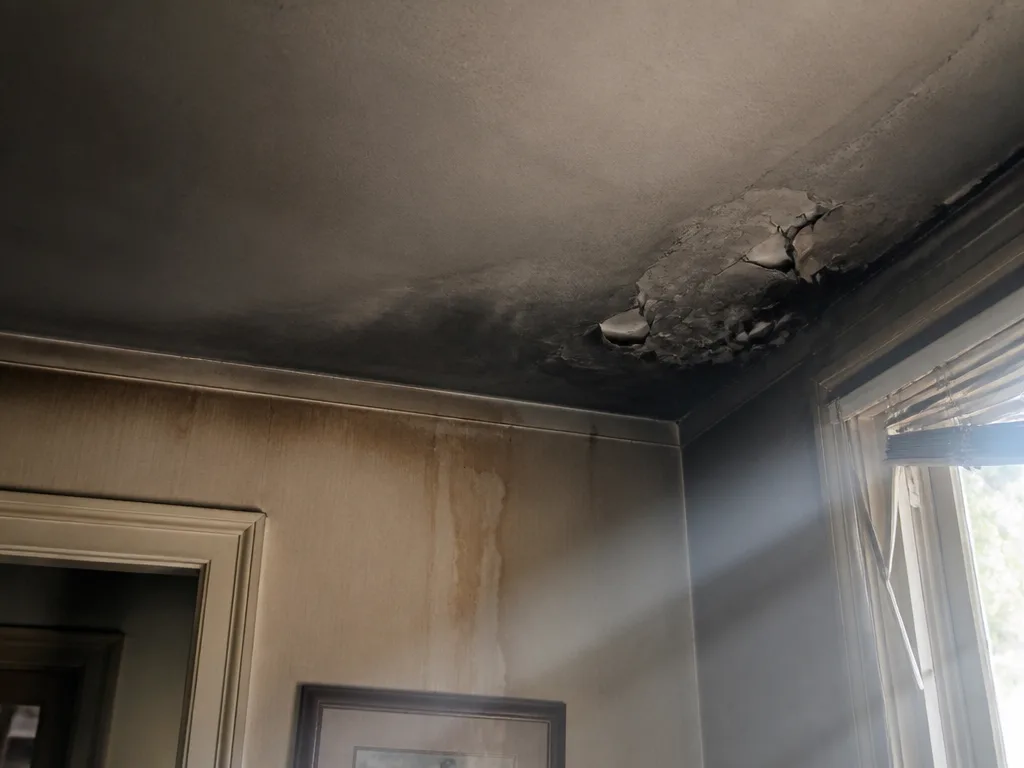
Key early signs include visible soot in corners, heat warping on trim or doors, and lingering odors that intensify with humidity or cooking. Cracks around windows and baseboards can also widen as heat and moisture move through a structure. If you notice any of these, it’s wise to pause routine cleaning and call a North Carolina-wide team for an evaluation. Crews in every North Carolina metro understand how weather and central heating can influence the spread of smoke.
Why identifying these signs matters
Addressing issues early reduces ongoing damage and indoor air contamination. Smoke particles cling to porous surfaces, which means unseen residue can keep affecting air quality. A prompt assessment from our fire & smoke damage specialists helps determine what needs restoration and what can be saved. Time matters when it comes to protecting belongings and the structure itself.
In North Carolina homes, the combination of outdoor humidity and indoor heat can complicate cleanup. A local crew across the state can tailor a plan that fits your house and climate. Don’t wait for the problem to escalate; a quick professional check helps you move forward with confidence.
What you should do right now
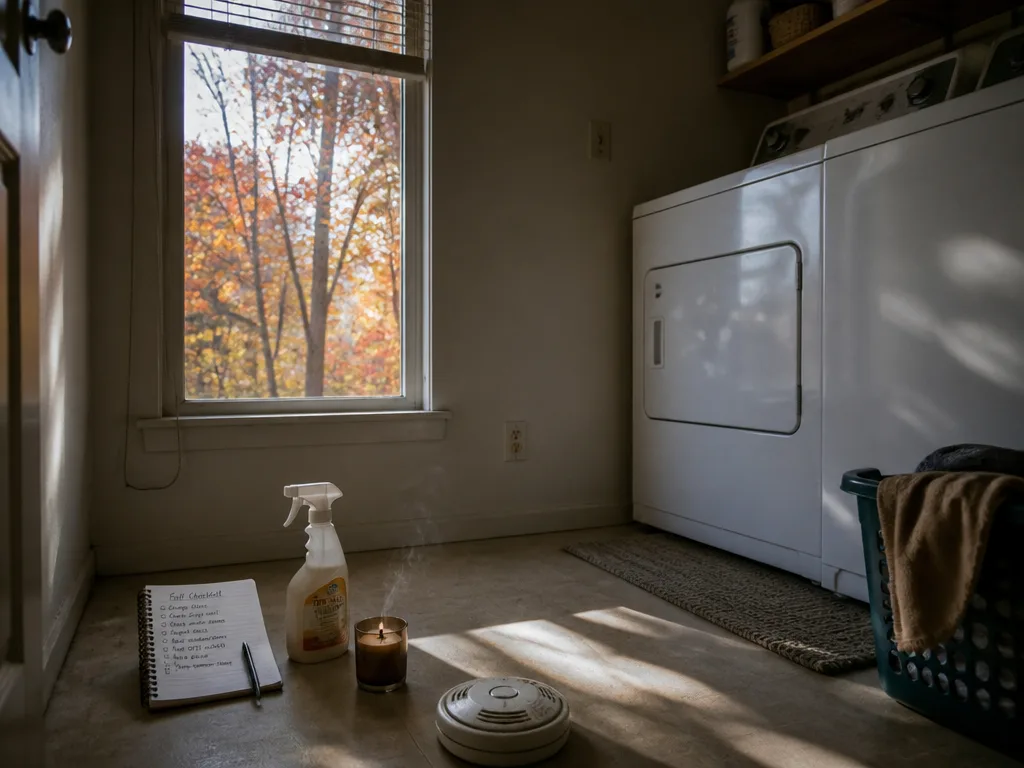
Take photos of damaged areas, open windows to vent if the air feels stuffy, and make a note of odors you detect in different rooms. If smoke has coated surfaces heavily or there is visible damage, arrange a professional assessment. Our team can walk you through the scope and share an approachable plan for North Carolina homeowners.
Examples of common indicators
- Soot on ceiling corners or HVAC grilles
- Dark staining near electrical outlets or switches
- Persistent smoky smell regardless of cleaning