Fall and winter readiness across North Carolina
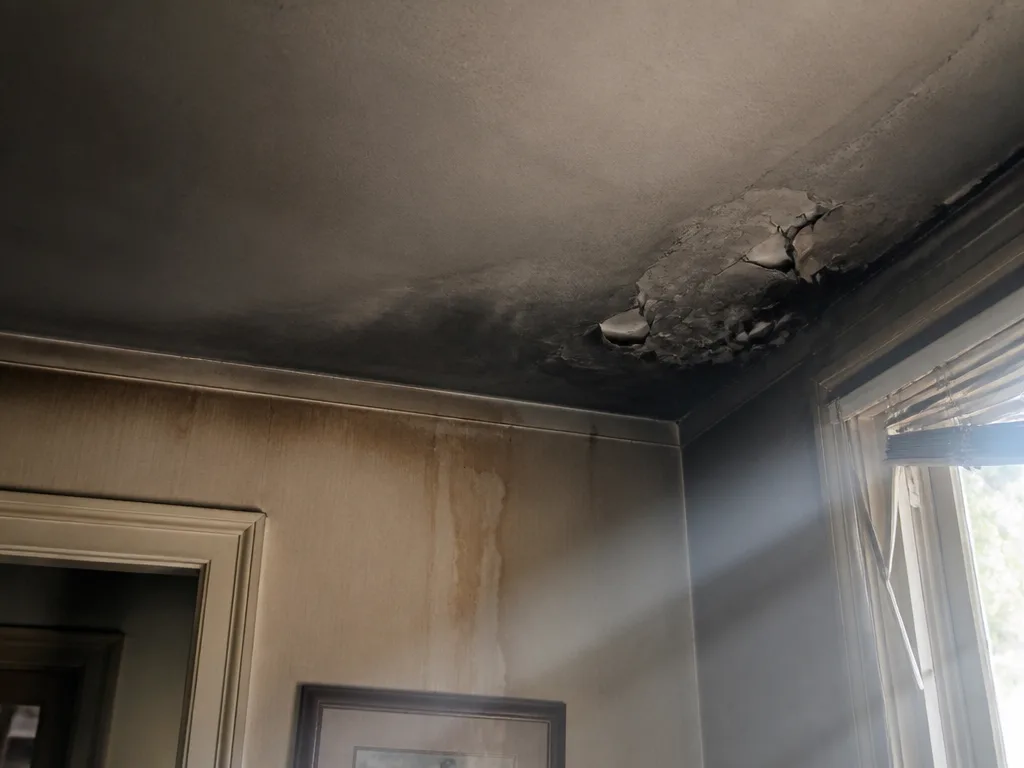
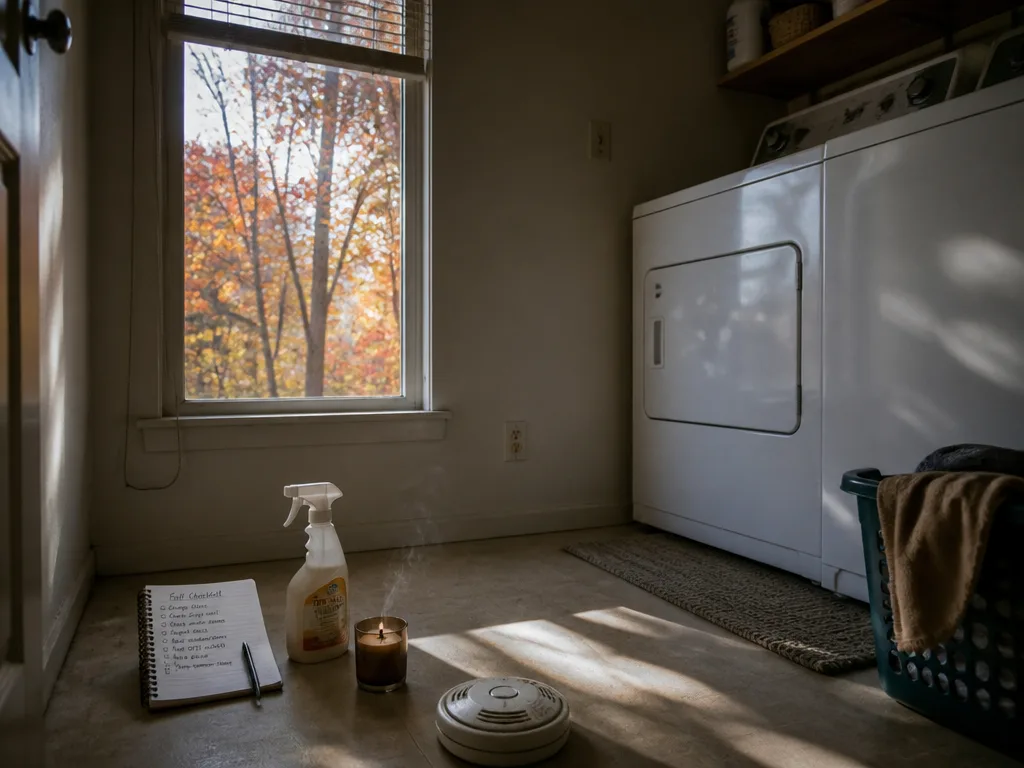
Cold months bring heating equipment closer to living spaces. Have chimneys and fireplaces inspected and cleaned if you use them. Ensure detectors have fresh batteries and test them monthly. In North Carolina, dry air inside can make smoke odors linger after a small event, so maintaining ventilation is helpful but not overdone. Our fire & smoke damage specialists recommend checking your heating sources before the first cold snap.
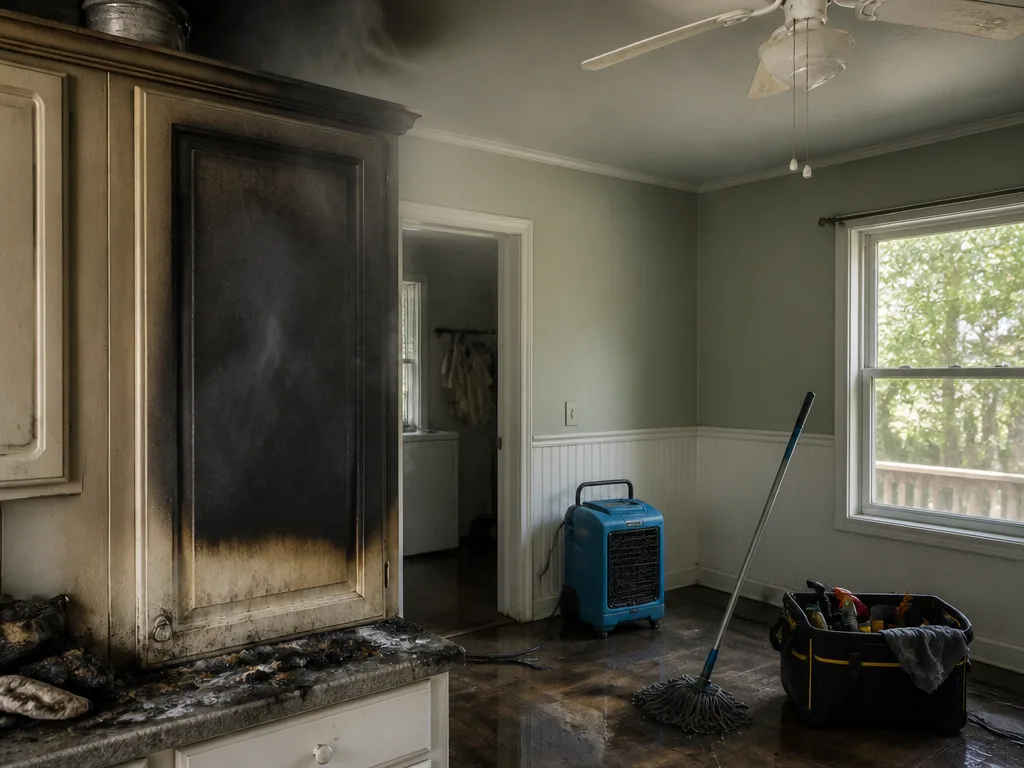
Keep burnable materials at a safe distance from heat sources and never leave cooking or candles unattended. If you rely on portable heaters, place them on stable surfaces and use a guarded unit. Humidity tends to rise in coastal North Carolina; use a dehumidifier in damp rooms to reduce moisture that can aggravate odor diffusion.
Spring and summer considerations
Thunderstorms and power outages can lead to electrical issues and temporary shelter setups that increase risk. Maintain electrical outlets and cords and avoid overloading circuits. If you experience a power outage, avoid using candles for long; instead, use battery-powered lighting. Our team in North Carolina has seen how moisture from rain and humidity can drive odors deeper, so inspect attic spaces and upper floors for signs of water intrusion after heavy storms.
During warmer months, outdoor grills should be kept away from siding, windows, and vegetation. Small fires or embers can travel and cause hidden damage if left unattended. If you notice smoke odors indoors after a storm, arrange a professional assessment to verify there isn’t hidden damage behind walls or under floors.
Long-term habits that help statewide
Establish a seasonal check routine that includes detectors, chimney health, and moisture control. Keep a list of trusted professionals you can call in any North Carolina metro for a consistent response. A statewide approach helps you get timely help, no matter where you are in the state.